Yoga & Breath
Yoga In American Hospitals And Veterans Programs
Yoga has entered US healthcare settings through pain management and mental health programs, and the institutional route it took explains which claims are supported.
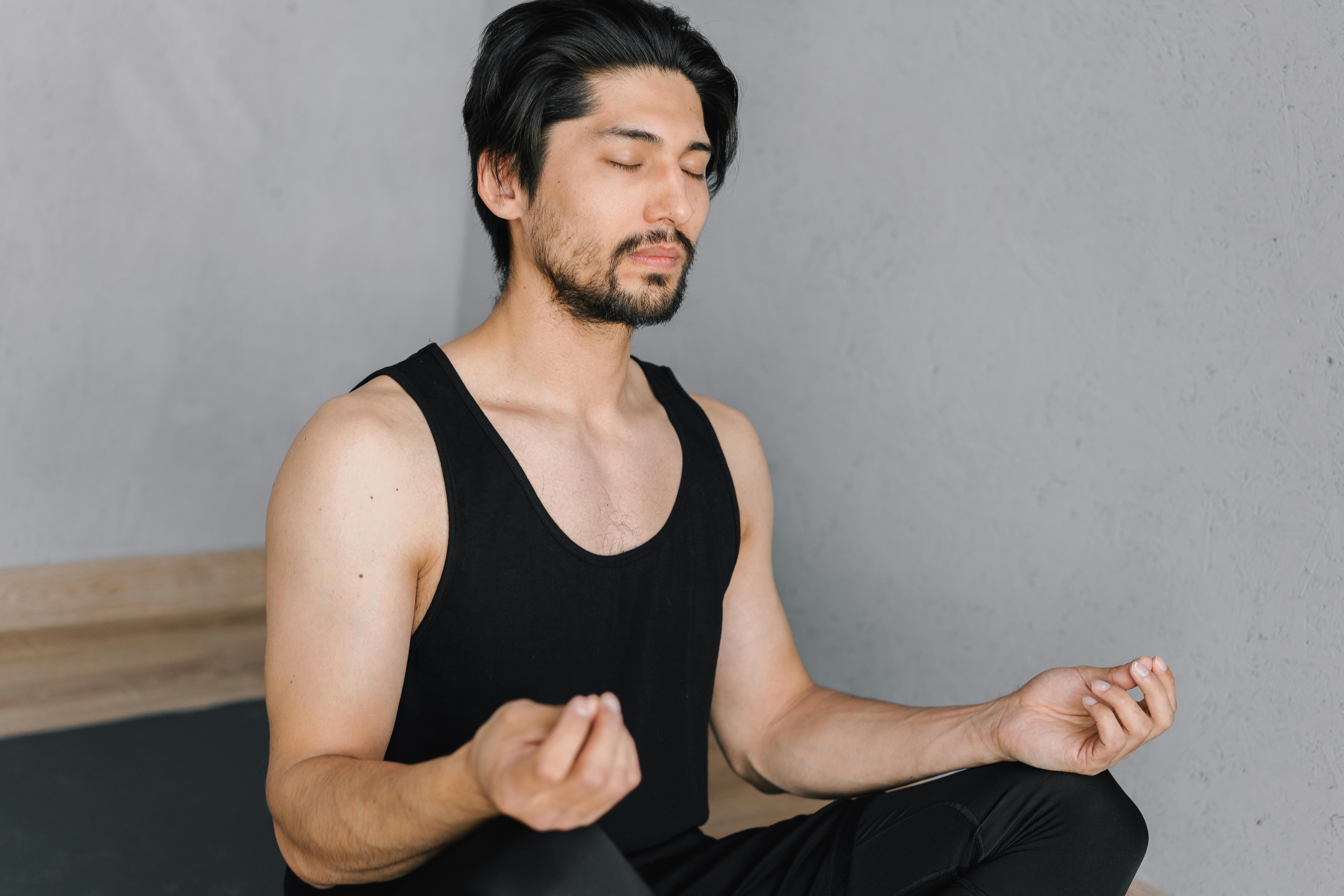
Yoga is offered inside American hospitals, veterans' facilities and integrative medicine programs. The route it took into those institutions explains which of its claims are institutionally supported and which are not.
How it got through the door
The main entry point was chronic pain, particularly low back pain, where clinical guidelines came to include exercise and movement-based approaches among first-line options.
Concern about opioid prescribing accelerated interest in non-drug approaches to pain, and health systems looked for options with reasonable evidence and low risk.
Mental health programs provided a second route, with movement and breathing practices offered alongside conventional treatment rather than in place of it.
Where the veterans' system fits
The veterans' health system has been an unusually active setting for this work, running programs and supporting research on complementary approaches at scale.
Its patient population has high rates of chronic pain and post-traumatic stress, which are the two areas where the research base for yoga is most developed.
Because the system is integrated and keeps long-term records, it can study delivery and outcomes in ways that independent studios cannot.
What the evidence actually supports
The strongest findings concern chronic low back pain, where trials support yoga as comparable to other structured exercise programs for function and pain.
Evidence for anxiety and depressive symptoms exists and is weaker, with trials often small and comparison conditions that make interpretation difficult.
Across conditions, the pattern is that yoga performs similarly to other active interventions rather than distinctively better, which is a meaningful and modest result.
How clinical delivery differs from a studio
Programs in healthcare settings are usually adapted, using fewer postures, more support, slower progression and instructors trained to work with clinical populations.
They are also supervised, with participants screened beforehand and the practice coordinated with the rest of their care rather than pursued independently.
That adaptation is part of why the trial results should not be read as applying to any drop-in class a person might attend.
What this does not establish
Institutional adoption reflects reasonable evidence for specific uses, not endorsement of Ayurvedic theory or of yoga as a treatment for disease generally.
Insurance coverage remains inconsistent, and programs are often grant-funded or offered within an integrative service rather than reimbursed as standard care.
Anyone considering such a program for a diagnosed condition should reach it through their physician, since screening and coordination are what make the clinical version different.
Also by Dr. Anjali Deshmukh
- Using both: how to combine Ayurveda with conventional careDosha & Constitution
- Children: traditional practices and what to be careful aboutDaily Routine
- Choosing a practitioner: what to look for and what to askEvidence Watch
- Mind in the classical framework, and mental health care nowDosha & Constitution