Yoga & Breath
Mudras And The Hand Positions In Practice
Hand gestures appear throughout yoga and meditation instruction with described purposes, and separating the traditional account from testable claims keeps the subject clear.
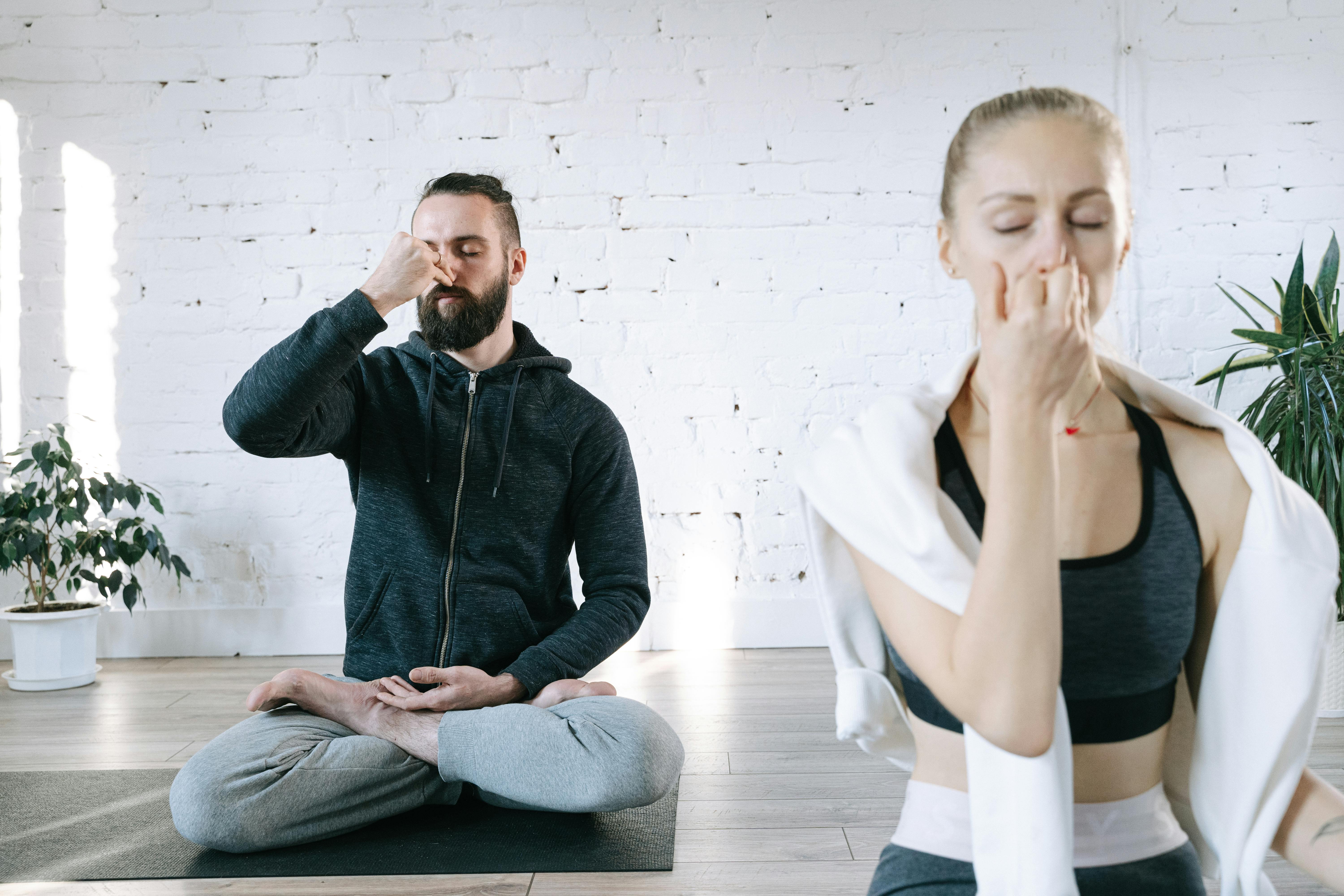
Hand positions appear constantly in yoga and meditation instruction, most familiarly the thumb and index finger touching while seated. The tradition gives them purposes, and those purposes are worth stating accurately.
What a mudra is
Mudra means seal or gesture, and the term covers hand positions, whole-body positions and certain internal practices involving the throat, abdomen and pelvic floor.
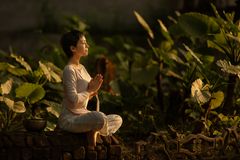
The hand gestures are the ones most visible in a class, and dozens are named across the yoga and tantric literature with descriptions of their intended effects.
They also appear widely outside yoga, in Indian classical dance and in Buddhist and Hindu iconography, where they function as a visual vocabulary rather than a practice.
The traditional explanation
The classical account describes the fingers as associated with elemental principles, and joining them is said to direct the movement of subtle energy within the body.
Some texts also connect specific gestures to specific states of mind, treating the gesture as both an expression of a state and a means of inducing it.
This is a description within a traditional framework of subtle anatomy, and it is not a physiological claim that could be tested as stated.
What can actually be observed
A hand position is a postural cue, and holding one requires a small amount of sustained attention, which is the same mechanism at work in a fixed gaze.
Gestures also serve as markers, signalling to a practitioner that a period of practice has begun, which is a straightforward conditioning effect.
Research on hand gestures in meditation is essentially absent, and claims of measured physiological effects from specific finger positions should be treated with scepticism.
The internal seals are a different matter
Practices involving the abdominal and pelvic muscles or the throat are physically substantial, involving real changes in pressure within the body.
These carry the same cautions as breath retention, and they are traditionally taught in person after preparation rather than picked up from a description.
Anyone with abdominal, cardiovascular or pelvic conditions, or who is pregnant, should not take these up without medical advice and experienced instruction.
How to hold this material honestly
Hand gestures are low risk, culturally deep and easy to practise, and there is no reason to discourage anyone who finds them useful for settling into practice.
There is also no basis for claims that a particular finger position addresses a particular health condition, and such claims misrepresent both the tradition and the evidence.
The distinction that matters is between a practice with a traditional meaning and a treatment for something diagnosable, which requires a licensed clinician.
Also by Dr. Anjali Deshmukh
- Using both: how to combine Ayurveda with conventional careDosha & Constitution
- Children: traditional practices and what to be careful aboutDaily Routine
- Choosing a practitioner: what to look for and what to askEvidence Watch
- Mind in the classical framework, and mental health care nowDosha & Constitution