Herbs & Formulations
What Changes When A Formula Becomes A Capsule
Turning a decoction or medicated ghee into a capsule alters preparation, dose form and the way a formula is taken, and the tradition regards those as part of the medicine.
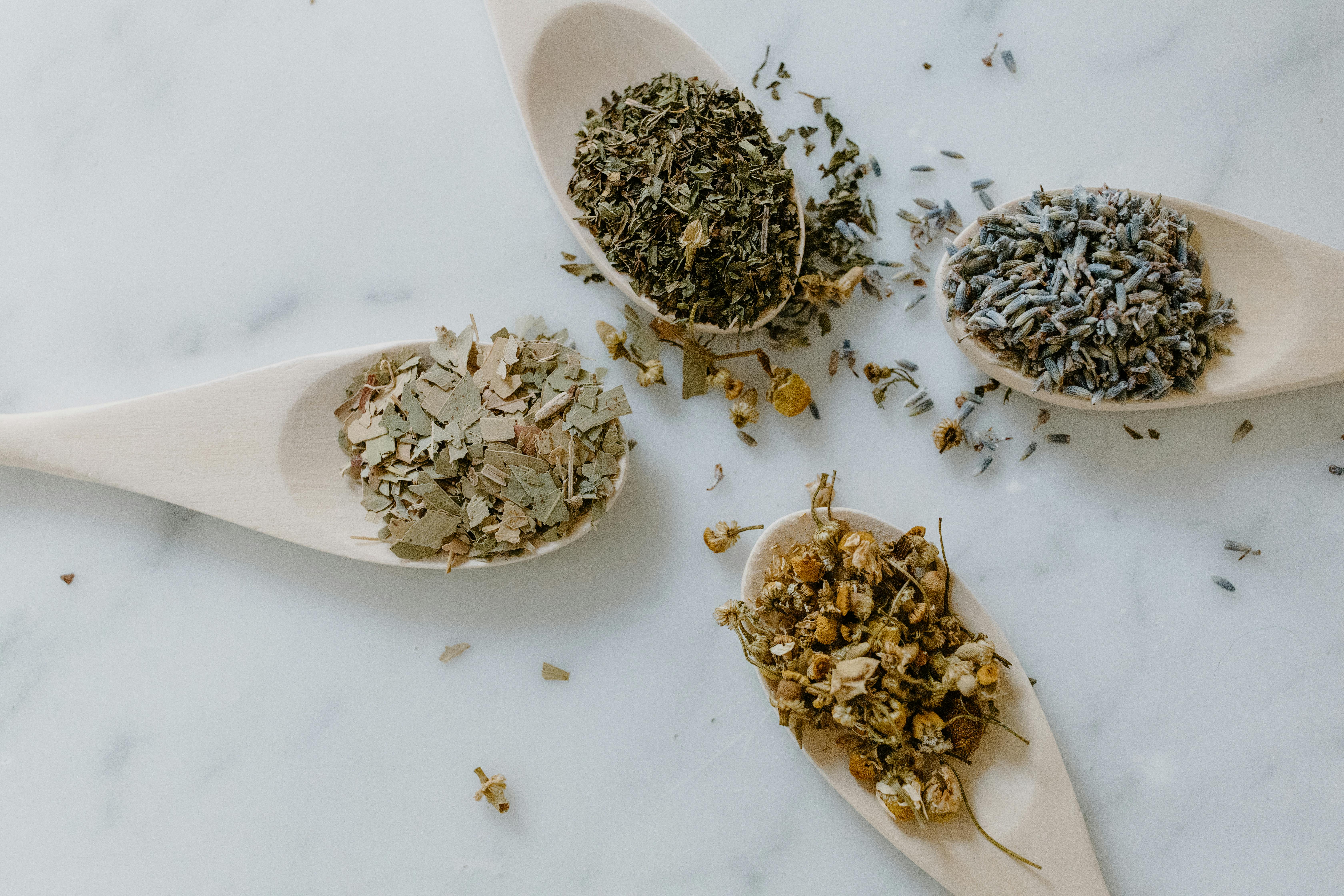
Most classical formulations reach American buyers as capsules or tablets, whatever form the text described. The conversion changes several things the tradition treats as part of the medicine itself.
What the original dose forms were
The classical pharmacy uses powders, decoctions, medicated ghee and oils, fermented liquid preparations, pastes and pills. Each form has its own preparation rules and its own described indications.
Form is not incidental in that system. The same plants prepared as a decoction and as a ghee are named separately and are described as suited to different situations.
The medium matters as much as the method. Fat-based preparations were understood to reach different places in the body than water-based ones, which is a chemically defensible intuition.
Why capsules dominate the modern market
A capsule has a defined weight, a long shelf life and no taste. Those three properties solve most of the commercial problems that a decoction creates.
Regulatory and retail infrastructure is built around discrete units. A panel listing milligrams per serving fits a capsule far more naturally than it fits a liquid prepared at home.
Taste is not a minor factor. Many classical preparations are extremely bitter, and the tradition itself acknowledges palatability as a reason for compounding decisions.
What the conversion actually changes
A decoction concentrates water-soluble components and discards the rest, while a powdered whole plant in a capsule retains everything including insoluble fibre and minerals.
The two therefore differ in composition, not just in convenience. A capsule of ground root is not a concentrated version of a decoction of the same root.
Timing and vehicle change too. The tradition specifies what a preparation is taken with, and a capsule swallowed with water quietly discards that instruction.
Where the research record sits
Trials are usually conducted on standardised extracts in capsule form, because that is what can be blinded and dose-controlled. The convenience shapes what gets studied.
This means the modern evidence base is largely about a dose form the classical texts did not use, tested against outcomes the classical framework did not define.
Whole-system studies attempt to address that by testing the practice rather than a capsule, and they are correspondingly harder to design and much rarer.
Reading a product in this light
A capsule labelled with a classical formula name is a reasonable modern approximation, not the preparation the text describes. That distinction is worth holding onto.
It also means claims borrowed from classical literature are being applied across a change in form that the same literature would treat as significant.
None of this settles whether a product helps anyone, which remains a clinical question. It does explain why traditional descriptions and modern products fit together imperfectly.
Also by Sanjay Iyer
- The placebo question, taken seriouslyEvidence Watch
- Diuretic herbs and the kidneyHerbs & Formulations
- Yoga injuries and how to practise without acquiring oneYoga & Breath
- Arjuna and the heart claimsHerbs & Formulations