Diet & Digestion
Rice, wheat and the staple grain question
Classical dietetics assigns properties to different grains and preparations, and contemporary nutrition has a specific concern about the staple that dominates South Asian diets.
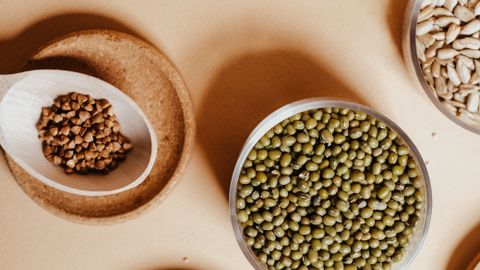
Classical Ayurvedic texts discuss grains in detail, assigning properties by type, by age of the grain, and by preparation.
Rice is generally described favourably, particularly older rice and particular varieties. Wheat is described as heavier. Barley is described as light and drying and is recommended in conditions of accumulation. Millets receive their own descriptions.
The classical framework thus distinguishes between grains in ways that have practical consequences for advice, and it is worth setting alongside what contemporary nutrition says.
The glycaemic issue
The most significant contemporary concern about grain-heavy diets, and it is particularly relevant in South Asia.
Polished white rice has a high glycaemic index, producing a rapid rise in blood glucose. Consumed in large quantities as the dominant dietary component, it is associated in cohort studies with increased risk of type 2 diabetes.
Type 2 diabetes prevalence in South Asian populations is high, and South Asians develop it at lower body weights than European populations — a well-documented phenomenon involving differences in body composition and fat distribution.
Which makes the composition of the staple genuinely consequential rather than an abstract concern.
What reduces the impact
Several straightforward measures, most of which are compatible with traditional eating.
Portion. The most direct lever. Reducing the quantity of rice while increasing vegetables and legumes on the plate changes the glycaemic load substantially.
Whole grains. Brown rice, whole wheat, millets and barley have lower glycaemic index and more fibre. Millets in particular have received renewed attention and were traditionally widespread in India before rice and wheat displaced them.
Combining with protein, fat and fibre. Rice eaten with dal, vegetables and yoghurt produces a considerably lower glycaemic response than rice alone. Traditional meal composition does this naturally.
Cooling and reheating. Cooked rice that has been cooled forms resistant starch, which is less digestible and produces a lower glycaemic response. The effect persists to a degree after reheating.
This is an interesting case where an ordinary domestic practice — cooking rice and reheating leftovers — has a measurable metabolic effect.
A note on food safety: cooked rice must be cooled quickly and refrigerated promptly, and reheated thoroughly. Bacillus cereus spores survive cooking and produce toxin in rice left at room temperature, which causes food poisoning. This is a genuine and common cause of illness.
Order of eating. Some research suggests eating vegetables and protein before carbohydrate within a meal reduces the glucose response. Findings are consistent enough to be interesting.
Where the classical descriptions have a counterpart
Barley is described in the texts as light and drying, and recommended in conditions of heaviness. Barley has a high beta-glucan content, a soluble fibre with evidence for effects on cholesterol and on glycaemic response. That is a reasonable correspondence.
Aged rice is described as lighter than new rice. There are documented changes in starch structure during storage that affect cooking properties and digestibility, so this is not baseless.
Rice gruel and thin preparations are recommended in the classical texts for illness and convalescence, and thin, low-residue, easily digested preparations are what most traditions and most clinical dietetics recommend in the same circumstances.
Where the frameworks diverge
The classical descriptions do not address glycaemic response, which was not observable, and they generally treat rice favourably in a way that a diabetologist would qualify.
That is not a failure of the tradition — it is a limitation of what could be known — and it is a reason not to take classical dietary recommendations as sufficient guidance for a metabolic condition.
The millet question
Millets — finger millet, pearl millet, foxtail millet and others — were staple grains across much of India and were displaced by rice and wheat over the twentieth century.
They generally have lower glycaemic index, more fibre, and higher mineral content than polished rice, and finger millet in particular is notably high in calcium.
They are also drought-tolerant and require less water than rice, which has made them a focus of agricultural policy interest.
Reintroducing them is a reasonable dietary change with both nutritional and environmental arguments behind it, and the traditional preparations exist and are worth learning.
The practical version
Reduce the proportion of the plate that is polished rice or refined wheat. Increase vegetables, legumes and whole grains. Include millets. Combine rather than eating grain alone. Cool and reheat rice where convenient, safely.
None of this requires abandoning traditional eating. Most of it is closer to how these cuisines were eaten before the shift toward refined staples.
Anyone with diabetes or prediabetes should discuss dietary changes with their doctor or a dietitian rather than self-managing. Do not adjust diabetes medication in response to dietary change without medical advice.
Also by Meera Kulkarni
- Breath practice for anxiety: the specific thing to doYoga & Breath
- Cooking oils: the classical selections and the current evidenceDiet & Digestion
- Drinking with meals, and the classical instructions about waterDiet & Digestion
- The evening routine and winding downDaily Routine