Diet & Digestion
Ultra-Processed Food Meets A Framework Built On Fresh Cooking
Classical dietetics assumes food is cooked shortly before eating, and industrially processed food falls outside its categories entirely, which is why claims about it are modern inference.
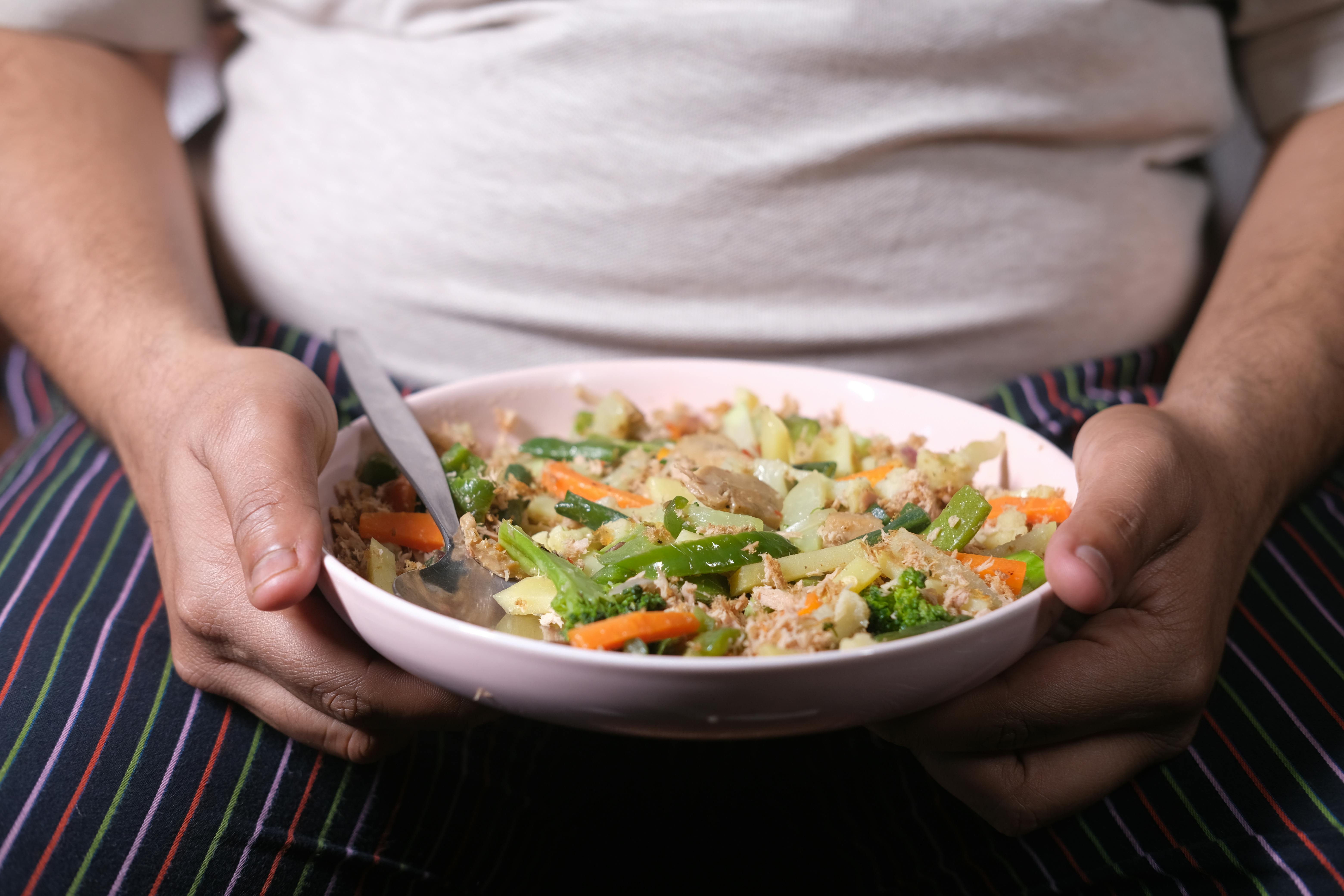
Classical Ayurvedic dietetics assumes food is cooked shortly before it is eaten from recognisable ingredients. Industrially processed food falls outside that assumption completely, and what the tradition says about it is therefore inference rather than instruction.
What the texts value in food
Freshness is stated repeatedly as a property of good food, with the classical literature preferring recently prepared meals and describing stored food as losing its desirable qualities over time.
The framework also cares about identifiability, since a substance is classified by its taste and qualities, and a mixture of many refined components does not present a single clear taste to classify.
Preparation method is treated as part of what a food is. The same grain roasted, boiled or fermented is described differently, which means processing was never invisible to the framework.
Why industrial processing sits outside the categories
A packaged product may contain refined starches, isolated proteins, emulsifiers, added sugars and flavourings, none of which correspond to a classified substance in the dietetic chapters.
The framework can still assign qualities by observation, describing such food as heavy, dry or hard to digest, but that assignment is made by modern practitioners rather than drawn from a text.
The honest description is that the tradition has no position on ultra-processed food, and that contemporary practitioners have extended it to cover something its authors never encountered.
What the nutrition research has established
Nutrition science has developed classification systems that group foods by degree of industrial processing, and a substantial body of observational research associates high intake of the most processed group with poorer health outcomes.
Observational findings of that kind are consistent across many populations, which strengthens them, but they cannot separate processing itself from the sugar, salt, fat and energy density that usually accompany it.
A small number of controlled feeding studies have compared matched diets differing in processing, and their findings have prompted serious interest without settling the mechanism.
Where the two accounts point the same way
Both frameworks favour food cooked from recognisable ingredients close to the time of eating, and both regard that as the ordinary case rather than an achievement.
Both also treat the form of a food as mattering, not only its constituent nutrients, which is a point where the classical intuition and recent nutrition thinking have converged from opposite directions.
That convergence is worth noting without treating it as validation, because the reasoning behind the two positions has almost nothing in common.
What should not be claimed
Assigning dosha effects to specific packaged products is a marketing device rather than a traditional practice, and it borrows authority the texts did not grant.
Dietary patterns are associated with health outcomes at a population level, and that association does not license claims about what a particular food will do to a particular person.
Anyone managing a diagnosed condition through diet should be working with a registered dietitian or physician, since therapeutic diets are prescribed rather than adopted.
Also by Dr. Anjali Deshmukh
- Using both: how to combine Ayurveda with conventional careDosha & Constitution
- Children: traditional practices and what to be careful aboutDaily Routine
- Choosing a practitioner: what to look for and what to askEvidence Watch
- Mind in the classical framework, and mental health care nowDosha & Constitution