Herbs & Formulations
Shatavari and the claims made about women’s health
A widely used classical preparation marketed for a broad range of women’s health indications, with a research base that does not support most of them.
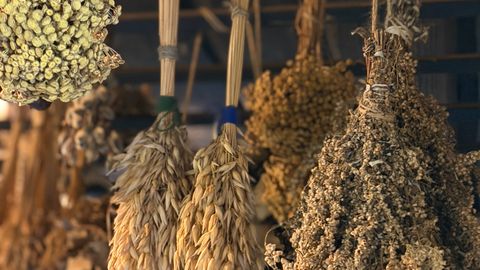
Asparagus racemosus, shatavari, is classified in Ayurveda as a rasayana and is traditionally associated with the female reproductive system, with lactation, and with general nourishment.
It is heavily marketed for menstrual disorders, menopause, fertility, lactation and libido. The evidence supporting these applications is thin.
Lactation
The most-studied application, since shatavari is used as a galactagogue — a substance intended to increase milk supply.
A small number of randomised trials exist. Results are inconsistent, sample sizes are small, and some studies report increases in prolactin or in milk output while others find no difference from placebo.
Systematic reviews of herbal galactagogues generally conclude that evidence for all of them, including shatavari, is insufficient to support routine use.
The more important point for anyone with low milk supply is that the interventions with actual evidence are non-pharmacological: effective attachment, frequent feeding, addressing pain, and support from a qualified lactation professional. Perceived low supply is common and frequently not actual low supply, and assessment matters.
Anyone breastfeeding should be particularly careful with supplements, since compounds pass into milk and the safety data for most herbal products in lactation is limited.
Menopause
Trials examining shatavari for menopausal symptoms are few and small. Evidence does not support it as an effective treatment.
For menopausal symptoms, hormone therapy has substantial evidence for vasomotor symptoms, and non-hormonal options with evidence exist for those who cannot or prefer not to use it. Cognitive behavioural therapy has evidence for hot flushes and for sleep and mood symptoms.
The phytoestrogen question is worth noting generally: some plant compounds have weak oestrogenic activity, and for anyone with a history of hormone-sensitive cancer, that is a genuine reason for caution with any preparation making hormonal claims. Discuss with your oncology team.
Menstrual disorders and fertility
Traditional use is extensive; clinical evidence is minimal.
Menstrual disorders have a range of causes — polycystic ovary syndrome, endometriosis, fibroids, thyroid disease, coagulation disorders and others — several of which have specific effective treatment and several of which affect fertility.
Using a supplement without establishing the cause delays diagnosis, and in the case of endometriosis, diagnostic delay is already a well-documented and serious problem measured in years.
Heavy menstrual bleeding, severe pain, bleeding between periods, bleeding after intercourse, or bleeding after menopause all require medical assessment. The last is a red flag requiring prompt investigation.
Safety
Generally well tolerated in the limited available data, with several considerations.
Allergy. Related to asparagus; anyone with asparagus allergy should avoid it.
Hormonal activity. Given the claims made, caution is warranted in hormone-sensitive conditions.
Diuretic effects have been suggested, relevant for anyone on diuretics or with kidney disease.
Blood glucose, with some evidence of effects, relevant for anyone on diabetes medication.
Pregnancy. Insufficient data. Discuss with a doctor or midwife.
Product quality, with the usual concerns about contamination and adulteration.
The broader pattern worth naming
Women's health is an area where supplement marketing is particularly aggressive, and there are reasons for that.
Several genuinely common conditions — endometriosis, polycystic ovary syndrome, menopausal symptoms, heavy bleeding — have historically been under-investigated, dismissed, and poorly managed. Many women have had the experience of not being taken seriously.
That creates a real gap, and it is filled by products promising to address what medicine appeared not to.
The frustration is legitimate. The products generally are not, and the delay they introduce compounds the original problem.
The better response is to seek clinicians who take the symptoms seriously, to know that specialist services exist for these conditions, and to press for investigation rather than accepting dismissal.
What has evidence in these areas
For heavy menstrual bleeding: tranexamic acid, hormonal treatments, and intrauterine systems, all with substantial evidence.
For menstrual pain: non-steroidal anti-inflammatories and hormonal treatment, and investigation for endometriosis where pain is severe or persistent.
For polycystic ovary syndrome: weight management where relevant, specific medications for specific features, and appropriate metabolic screening.
For menopause: hormone therapy where appropriate, non-hormonal options, and cognitive behavioural therapy.
For fertility: proper investigation of both partners, which frequently identifies a treatable cause.
Bleeding after menopause, severe menstrual pain, or heavy bleeding affecting your life require medical assessment. Do not use supplements in place of investigation. Discuss any supplement with your doctor if you are pregnant, breastfeeding or have a hormone-sensitive condition.
Also by Sanjay Iyer
- The placebo question, taken seriouslyEvidence Watch
- Diuretic herbs and the kidneyHerbs & Formulations
- Yoga injuries and how to practise without acquiring oneYoga & Breath
- Arjuna and the heart claimsHerbs & Formulations