Diet & Digestion
Meat In Ayurvedic Dietetics, Against The Popular Picture
Classical dietetics discusses meat at length and classifies many varieties, which sits awkwardly with the widespread modern assumption that Ayurveda prescribes vegetarianism.
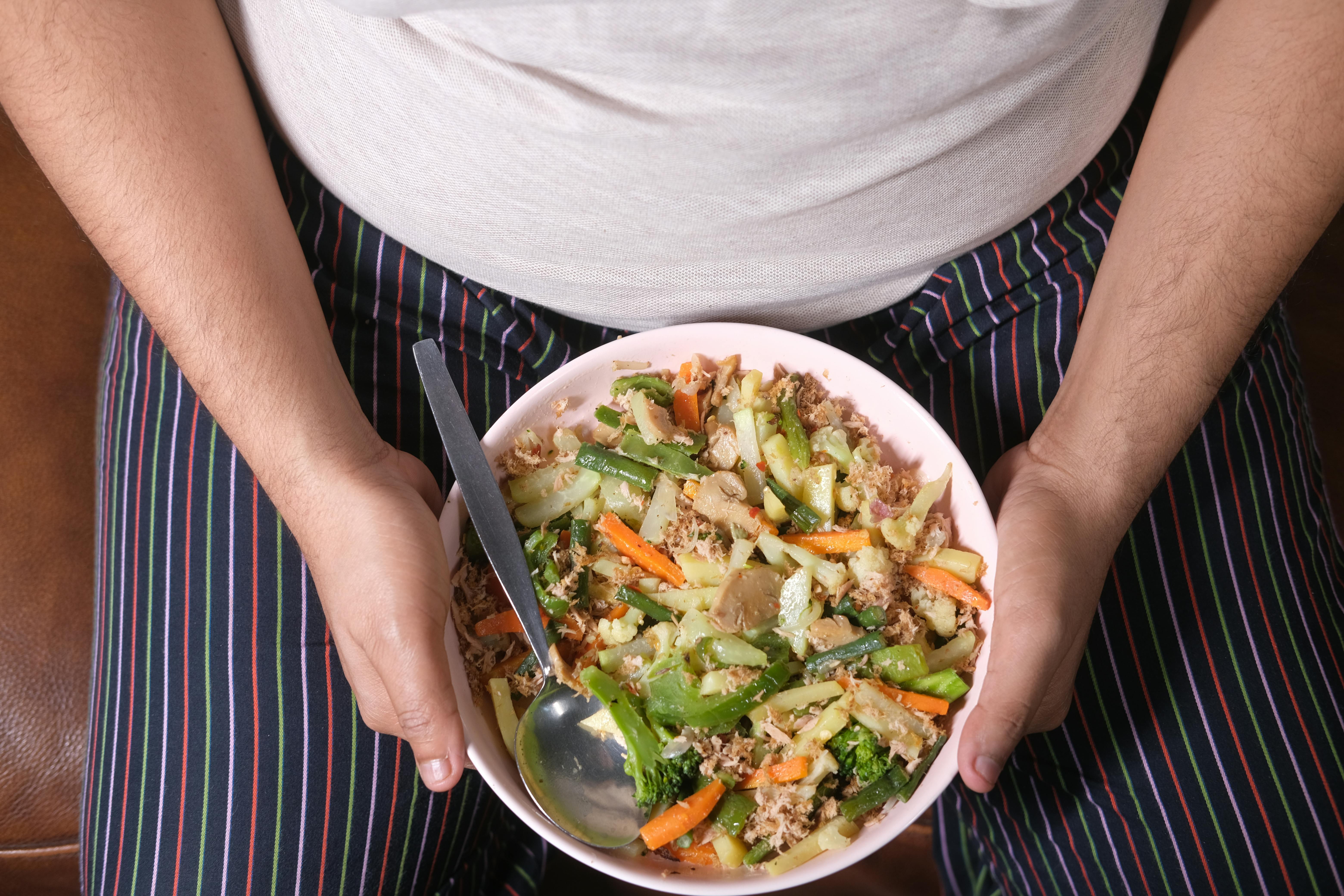
Ayurveda is widely assumed in the United States to prescribe a vegetarian diet. The classical dietetic literature discusses meat extensively and classifies it in detail, which complicates that assumption considerably.
What the texts actually contain
The classical dietetic chapters include long sections on meat, organised by the habitat of the animal, and they describe properties for each grouping.
Meat soups and preparations appear among the therapeutic measures, particularly in the context of building strength after illness or depletion.
The material is presented in the same descriptive register as the chapters on grains, pulses and vegetables, with no categorical prohibition attached.
How the properties are described
Meat is generally described as heavy, nourishing and strength-building, which places it among the substances suited to depletion rather than to routine abundance.
Different animals are assigned different qualities, and the classification by habitat sorts them into groups understood to have different effects.
Heaviness is a double-edged property in the framework, since it means both nourishing and difficult to digest, which governs when the texts say it suits.
Where the vegetarian association comes from
The sattvic dietary category, drawn from a philosophical framework concerned with mental qualities, favours foods described as light and clear and disfavours meat.
That category is not identical with Ayurvedic dietetics, though the two are frequently merged in modern presentations and in popular writing.
Religious and regional practice added further weight, and modern Ayurvedic institutions in India often operate in a vegetarian cultural setting.
Why the distinction matters
Attributing a dietary prohibition to a text that does not contain one misrepresents the tradition, and precision is owed to it either way.
It also affects how someone reads other instructions, since a framework that classifies rather than prohibits is a different kind of system from one that forbids.
Modern practitioners hold varied positions, and a person consulting one may reasonably ask what the recommendation rests on.
The nutritional questions that remain
Dietary patterns with and without meat can both be adequate or inadequate depending on how they are constructed, which is a nutrition question rather than a traditional one.
Specific nutrients require attention in diets excluding animal products, and that is a matter for a registered dietitian rather than a classical text.
Nothing in either framework supports dietary claims about curing disease, and dietary changes made around a diagnosis belong with a physician.
Also by Dr. Anjali Deshmukh
- Using both: how to combine Ayurveda with conventional careDosha & Constitution
- Children: traditional practices and what to be careful aboutDaily Routine
- Choosing a practitioner: what to look for and what to askEvidence Watch
- Mind in the classical framework, and mental health care nowDosha & Constitution