Daily Routine
Bathing, skin and what the classical routine gets right
The classical sequence of oil, bath and specific practices corresponds surprisingly well to what dermatology recommends for skin barrier function.
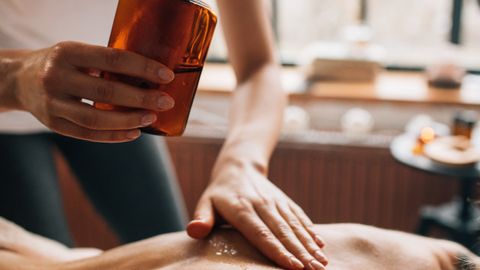
Classical dinacharya includes a defined sequence around bathing: oil application, a period for absorption, then bathing with warm rather than hot water, then further oil or preparations.
Several elements of this correspond well to contemporary dermatological advice, arrived at from an entirely different direction.
What skin does
The outermost layer of skin functions as a barrier, retaining water and excluding irritants and organisms. It consists of cells surrounded by a lipid matrix, frequently described as a brick-and-mortar arrangement.
Barrier function is impaired by anything that removes lipids: hot water, prolonged washing, surfactants in soaps and detergents, and low humidity.
Impaired barrier means water loss, dryness, itching, and increased susceptibility to irritants — the mechanism underlying dry skin and a central feature of eczema.
Where the classical practice aligns
Oil before bathing. Applying oil before washing means less lipid is stripped, and residual oil remains after. This is a reasonable approach and it corresponds to what is sometimes recommended for very dry skin.
Warm rather than hot water. Hot water removes lipids far more effectively than warm and is a common contributor to dry skin. Classical texts specify warm water for the body, and notably recommend cooler water for the head, on the basis that hot water on the head is harmful.
The dermatological recommendation is short, warm rather than hot showers, which matches.
Moisturising after washing. Applying emollient to slightly damp skin after bathing is standard dermatological advice, and the classical sequence includes application after bathing.
Regular oil application generally. Emollient use is the foundation of managing dry skin and eczema, and the evidence for it is solid.
Which oils
The classical texts specify oils by constitution and season — sesame commonly, coconut for cooling, and various medicated preparations.
What is known dermatologically about specific oils is more limited than the confidence with which it is stated.
Coconut oil has some evidence in studies on dry skin and eczema, with several trials reporting improvements. It has antimicrobial properties in laboratory studies.
Sunflower seed oil has evidence supporting barrier function, attributed to its linoleic acid content.
Olive oil has, somewhat surprisingly, been found in some studies to impair barrier function compared with sunflower oil, which is a useful reminder that natural does not mean interchangeable.
Mineral-based emollients, which the tradition does not use, have the best evidence overall for eczema management, and this is worth knowing rather than dismissing.
Individual tolerance varies and contact dermatitis to plant oils occurs. Test a small area before applying widely, particularly with fragranced or medicated preparations.
Sunlight, which the classical texts treat differently
Traditional recommendations about sun exposure vary and generally advise avoiding midday sun, which is sensible.
The contemporary considerations are more specific. Ultraviolet exposure causes photoageing and is the principal modifiable risk factor for skin cancer. It is also the main source of vitamin D for most people.
Current advice generally involves sun protection during peak hours, particularly for fair skin, alongside recognition that vitamin D status matters and that supplementation is appropriate where sun exposure is limited.
People with darker skin are at lower risk of skin cancer and at higher risk of vitamin D deficiency at high latitudes, which is a genuine difference in the balance of considerations.
Traditional skin preparations, with caution
A range of traditional preparations are used topically, and several considerations apply.
Undeclared corticosteroids have been found in some traditional and cosmetic skin products. Prolonged use causes skin thinning, telangiectasia and rebound worsening on stopping. If a product produces dramatic improvement in an inflammatory skin condition and worsening on stopping, this is a possibility worth raising with a doctor.
Skin-lightening products are a serious problem in several markets, with documented content of mercury and potent steroids, and with substantial associated harm. These should be avoided entirely.
Contact dermatitis to plant preparations is common. Fragranced products and essential oils are frequent culprits.
Photosensitising plants, including some citrus oils, can cause burns with sun exposure after application.
When to see a doctor about skin
A changing mole, a lesion that bleeds, crusts or does not heal, or any new growing lesion — these need assessment, since skin cancers present this way and early treatment matters.
Widespread rash with fever or feeling unwell. Rash with blistering or skin peeling. Any rash affecting the eyes or genitals.
Eczema or psoriasis that is not controlled, since effective treatments exist and are frequently under-used.
A changing or non-healing skin lesion requires prompt assessment. Do not use unlabelled topical products or skin-lightening preparations, which may contain steroids or mercury.
Also by Meera Kulkarni
- Breath practice for anxiety: the specific thing to doYoga & Breath
- Cooking oils: the classical selections and the current evidenceDiet & Digestion
- Drinking with meals, and the classical instructions about waterDiet & Digestion
- The evening routine and winding downDaily Routine