Evidence Watch
Why Blinding A Herbal Trial Is So Hard
Bitter tastes, strong aromas and noticeable effects let participants guess their allocation, which is one reason so much of the traditional medicine literature stays weak.
Blinding is what keeps expectation out of a trial's results, and herbal medicines are unusually difficult to blind. That difficulty explains a good deal of the weakness in the Ayurvedic evidence base.
What blinding is protecting against
Participants who know they received an active treatment report more improvement, and researchers who know the allocation tend to grade outcomes more generously.
These effects are largest for subjective outcomes — pain, fatigue, mood, sleep quality — which are precisely the outcomes traditional medicine trials most often measure.
A placebo control only works if the participant cannot tell which arm they are in, and that is where herbal trials usually run into trouble.
Taste, smell and colour give the game away
Many medicinal plants are strongly bitter, pungent or aromatic, and a matched placebo has to reproduce that without contributing any activity of its own.
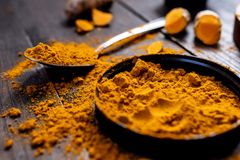
Turmeric colours whatever it touches, asafoetida and garlic are unmistakable, and several herbs produce a distinctive aftertaste within seconds of being swallowed.
Encapsulation helps, but capsules can still be smelled, and the contents can be tasted by any participant who opens one, which some of them do.
Detectable effects unblind a trial too
A herb producing a noticeable physiological effect — warmth, drowsiness, changed stool or altered urine colour — signals allocation however carefully the dose is packaged.
Trials rarely check whether blinding held, though asking participants to guess their allocation at the end is a simple and informative test.
Where that check has been done in complementary medicine trials, guessing is often better than chance, which means the blind was partial at best.
Whole-system treatment cannot be blinded at all
Ayurvedic practice as delivered includes consultation, dietary instruction, oil procedures and routine changes, none of which can be concealed from the person receiving them.
Some trials respond by comparing against an active alternative, or by blinding only the assessor, which preserves part of the protection against biased grading.
These designs answer a different question — whether the whole package helps compared with something else — and their results deserve to be read as such.
What a reader should look for
A trial that describes its placebo in detail, tests whether blinding held and uses objective outcomes deserves more weight than one doing none of these things.
Where blinding is impossible, the strongest available designs use assessors kept unaware of allocation and outcomes that do not depend on self-report.
Neither approach rescues a small, short study, and the persistent pattern in this literature is small trials with subjective endpoints and unverified blinding.
Also by Sanjay Iyer
- The placebo question, taken seriouslyEvidence Watch
- Diuretic herbs and the kidneyHerbs & Formulations
- Yoga injuries and how to practise without acquiring oneYoga & Breath
- Arjuna and the heart claimsHerbs & Formulations