Herbs & Formulations
Turmeric and curcumin: a large literature and a specific problem
Curcumin is one of the most-studied natural compounds in existence, and the reason the results are so inconsistent turns out to be a matter of pharmacology.
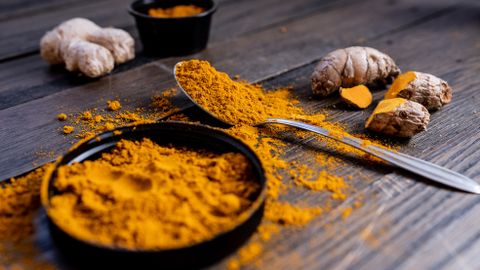
Turmeric has been used in Indian cooking and in Ayurvedic practice for a very long time, and it has become one of the most heavily researched natural products in the world, with thousands of published papers.
The volume of research is not the same as strength of evidence, and turmeric is a good case study in why.
The bioavailability problem
Curcumin — the compound most of the research focuses on — is poorly absorbed from the gut, is rapidly metabolised, and is quickly eliminated. Plasma concentrations after oral doses are very low, and in a number of pharmacokinetic studies they have been at or below the limit of detection.
This creates an interpretive difficulty that runs through the whole literature. Laboratory studies showing effects on cells at particular concentrations may be describing concentrations that oral dosing cannot achieve in human tissue.
It is also why so much commercial effort has gone into formulations intended to improve absorption — combination with piperine from black pepper, phospholipid complexes, nanoparticle and micelle formulations, and others. Several of these demonstrably increase measured plasma levels, and whether that translates into clinical benefit is a separate question that has been less thoroughly answered.
The other complication
Curcumin has been described in the medicinal chemistry literature as a compound with properties that make it prone to producing misleading results in laboratory assays — it interferes with a range of assay systems, and it shows apparent activity against a very large number of unrelated targets.
Compounds that appear to do everything are, in drug discovery, generally regarded with suspicion rather than excitement. This criticism has been made in the peer-reviewed literature and it is not a fringe view.
That does not mean turmeric does nothing. It means the mechanistic literature should be read carefully.
Where clinical evidence is comparatively better
Osteoarthritis. This is the application with the most supportive clinical data. Several randomised trials and meta-analyses have found reductions in pain and improvement in function with curcumin preparations compared with placebo, with some studies reporting comparable effects to non-steroidal anti-inflammatory drugs.
The caveats are real: many trials are small, of short duration, conducted in a limited number of centres, and frequently funded by manufacturers of the specific formulation tested. Meta-analyses have noted heterogeneity and quality limitations.
Still, this is the area where a reasonable person might conclude there is something worth trying, in consultation with a doctor.
Other applications — including inflammatory conditions, metabolic parameters, mood and various others — have generated trials with mixed results and generally weaker or less consistent evidence.
Safety, which is where the practical caution lies
Culinary use of turmeric is well established and there is no reason for concern at those quantities.
Concentrated supplements are a different matter, and there are specific issues.
Liver injury. Cases of hepatotoxicity associated with turmeric supplements have been reported, and regulatory bodies in several countries have issued warnings. The cases appear to involve high-dose concentrated products, sometimes with enhanced absorption formulations, and possible contribution from contaminants. Anyone with existing liver disease should be cautious and should discuss it with a doctor.
Anticoagulant interaction. Curcumin may affect platelet function, and there is a theoretical and reported concern about interaction with anticoagulant and antiplatelet medication. Anyone taking warfarin, direct oral anticoagulants, clopidogrel or similar should discuss supplementation with their prescriber.
Iron absorption. Curcumin may reduce iron absorption, which is relevant for anyone with or at risk of iron deficiency.
Gallstones and bile duct obstruction. Turmeric may stimulate gallbladder contraction, which is a reason for caution in these conditions.
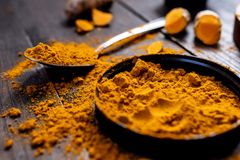
Adulteration. Turmeric powder has been found adulterated with lead chromate as a colouring agent in some supply chains, which is a serious lead exposure risk. This is a documented problem and it is a strong argument for buying from suppliers with credible testing.
What is reasonable to conclude
Turmeric as a food is unremarkable and pleasant. Curcumin supplements for osteoarthritis have the strongest case among the various proposed uses, and it is not an overwhelming one.
The gap between the strength of the evidence and the strength of the marketing is very large, which is worth keeping in mind when reading anything about it — including material that cites study counts rather than study quality.
Do not start or stop any supplement or medication on the basis of this article. Discuss supplements with your doctor, particularly if you take prescribed medication or have a liver, bleeding or gallbladder condition.
Also by Sanjay Iyer
- The placebo question, taken seriouslyEvidence Watch
- Diuretic herbs and the kidneyHerbs & Formulations
- Yoga injuries and how to practise without acquiring oneYoga & Breath
- Arjuna and the heart claimsHerbs & Formulations