Diet & Digestion
The Order Of A Meal, And Why The Texts Sequence It
Classical dietetics prescribes sweet first and pungent last, on a model of digestive fire; modern work on eating order finds smaller effects by a different mechanism.
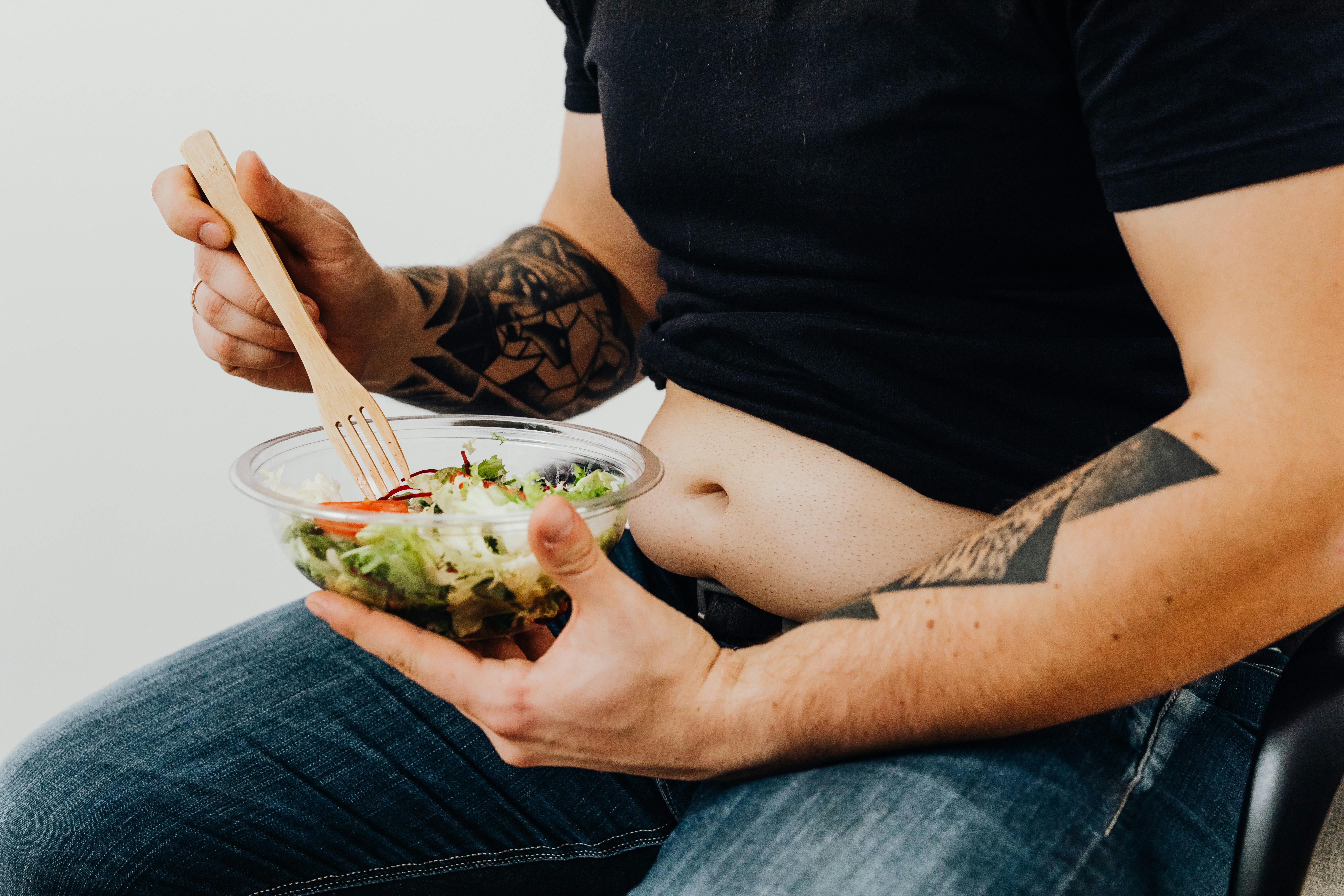
Classical Ayurvedic dietetics gives instructions not only about what to eat but about the order in which it should appear. The sequencing follows directly from the tradition's model of digestion.
Sweet first, in the classical instruction
The texts place sweet and heavy items at the beginning of a meal, sour and salty in the middle, and light, pungent or astringent items toward the end.
The reasoning offered is that digestive capacity is strongest at the start, so the heaviest material is presented while the fire is at its height.
This inverts the European dessert convention, which is a useful reminder that meal structure is cultural well before it is physiological.
What the modern account says about order
Gastric emptying is genuinely affected by composition. Fat and protein slow emptying, liquids leave quickly, and fibre changes the rate at which carbohydrate is absorbed.
Work on eating order and blood glucose has found differences in the post-meal curve depending on whether vegetables and protein precede starch. The effects are modest and the research continues.
So order is not nothing, but it operates through a different mechanism from the one the classical account describes, and it does not confirm that account.
The three-part stomach rule
A frequently quoted instruction divides stomach capacity into thirds: solid food, liquid, and empty space left for the doshas to move.
Read plainly, this is an instruction to stop before fullness and to avoid washing a meal down. It is a portion rule expressed anatomically.
Whether or not the anatomy holds, the behavioural advice is unobjectionable and matches what dietitians say about eating rate and the timing of satiety signals.
Water, and where it belongs
Cold water before a meal is discouraged in the texts, small sips of warm water during it are permitted, and large volumes afterwards are cautioned against.
The stated reason is that liquid dilutes the digestive fire. Physiologically, drinking with meals has little measurable effect on digestion in healthy people.
For people with reflux or delayed gastric emptying the picture differs, and that is a conversation for a clinician rather than a rule drawn from any tradition.
What survives of the instruction
The durable content is behavioural: eat in a settled state, do not overfill, favour warm cooked food, and give the meal your attention.
Those recommendations do not depend on the humoral model being correct, which is why they survive in settings where the model itself is not accepted.
The rest — the fixed order of tastes — is best read as a coherent internal system rather than as a finding about human digestion.
Also by Dr. Anjali Deshmukh
- Using both: how to combine Ayurveda with conventional careDosha & Constitution
- Children: traditional practices and what to be careful aboutDaily Routine
- Choosing a practitioner: what to look for and what to askEvidence Watch
- Mind in the classical framework, and mental health care nowDosha & Constitution