Diet & Digestion
Raw And Cooked Vegetables In Classical Dietetics
Ayurvedic dietetics prefers cooked vegetables on grounds of digestibility, while nutrition finds cooking helps some nutrients and harms others, with no clean winner either way.
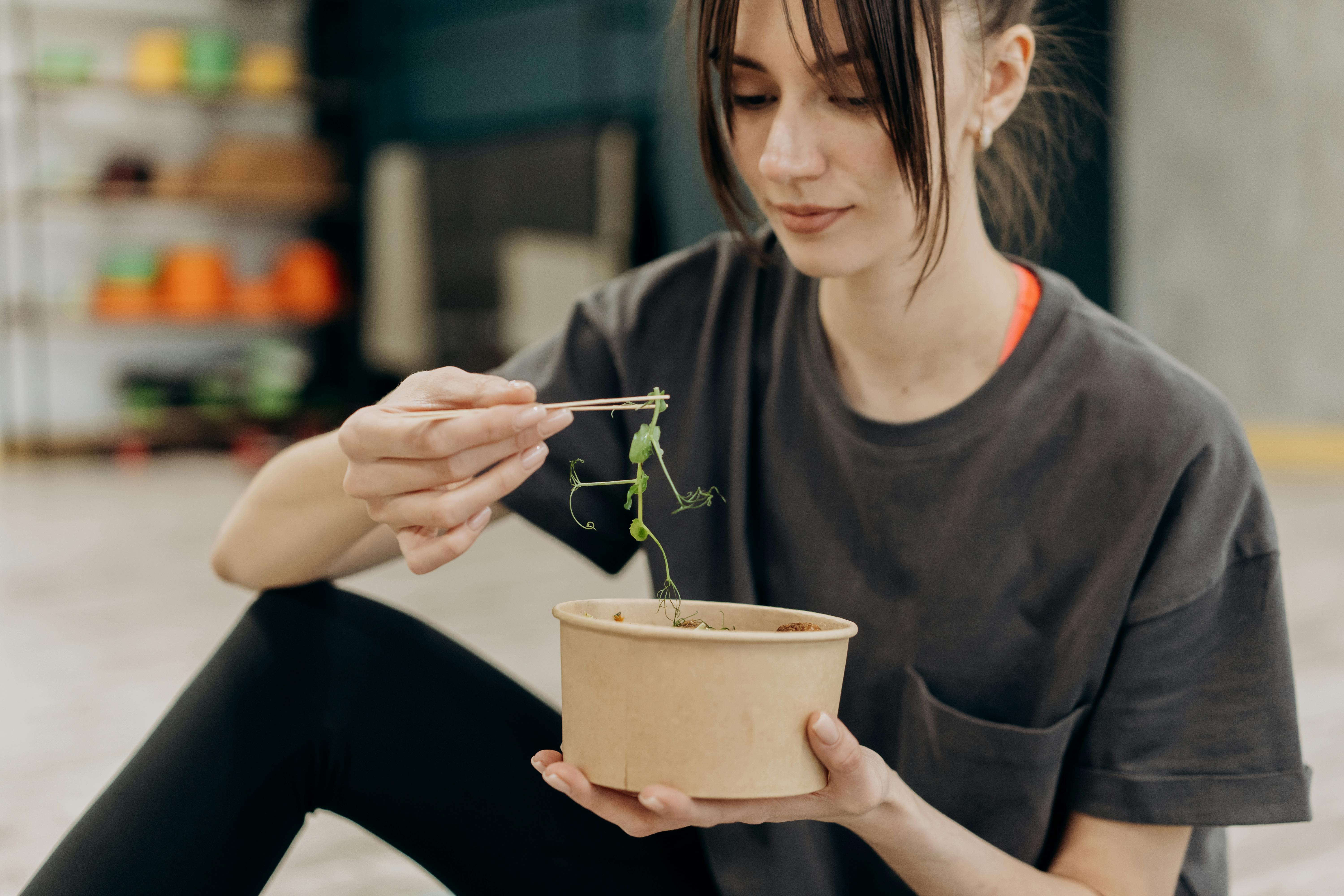
Classical dietetics is markedly cool on raw vegetables and salads, preferring cooked preparations for almost everything. Nutritional science gives a more divided answer than either enthusiasts or critics assume.
The classical position
Raw vegetables are described as heavy, rough and cold, qualities that in the framework burden digestion and are held to aggravate vata in particular.
Cooking with fat and spices is presented as the correction, making the same vegetable lighter to digest and more suitable across constitutions and seasons.
The texts do allow some raw items and give raw juices a specific place, so the preference is a general lean rather than a prohibition.
What cooking does to nutrients
Heat degrades vitamin C and several B vitamins, and boiling leaches water-soluble nutrients into the cooking water, which is lost if it is discarded.
Cooking also increases the availability of others. Carotenoids in carrots and lycopene in tomatoes become more absorbable once cell walls are broken down, particularly with fat present.
So the comparison has no clean winner, and the practical answer is variety in both preparation methods rather than a rule favouring either.
Digestibility is a real difference
Cooking softens cell walls and gelatinises starch, which does reduce the mechanical and enzymatic work required and speeds gastric emptying for many foods.
People with irritable bowel symptoms, inflammatory bowel disease or reduced gut motility frequently report better tolerance of cooked vegetables, and clinical dietary advice often reflects this.
That is the strongest modern support for the classical instruction, though it applies to particular people rather than as a general rule.
Fat, spice and absorption
The traditional habit of cooking vegetables with ghee or oil has a nutritional consequence: fat-soluble vitamins and carotenoids are absorbed considerably better in its presence.
Spices added during cooking contribute their own compounds, and some, such as those in turmeric, are themselves better absorbed alongside fat.
A salad dressed with oil achieves something similar, which suggests the operative variable is fat rather than heat.
Where the instruction is worth following
In cold weather, during illness or convalescence, and for anyone whose digestion is sensitive, the preference for warm cooked vegetables is easy to defend.
In hot weather and for people with robust digestion, raw preparations carry no particular penalty and add variety, which matters more than either category.
Food safety is the one place where raw genuinely demands care, since washing is the only intervention available and it is imperfect.
Also by Dr. Anjali Deshmukh
- Using both: how to combine Ayurveda with conventional careDosha & Constitution
- Children: traditional practices and what to be careful aboutDaily Routine
- Choosing a practitioner: what to look for and what to askEvidence Watch
- Mind in the classical framework, and mental health care nowDosha & Constitution