Herbs & Formulations
How Churnas, Decoctions And Medicated Oils Differ
Ayurvedic dosage forms are extraction methods in disguise, and a powder, a decoction, a ferment and an oil made from one plant contain different chemistry.

Ayurvedic medicines arrive as powders, liquids, pastes, pills and oils, and the form is not incidental. Each preparation extracts a different fraction of the plant and exists for a different reason.
Churna is the plant, dried and ground
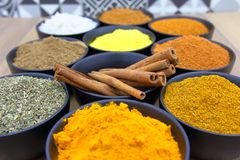
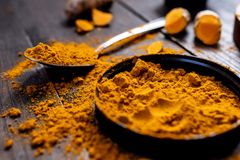
A churna is dried plant material powdered and often blended with others. Nothing is extracted; the whole material, fibre included, is what a person swallows.
This keeps the full range of constituents together, including those that would not survive boiling. It also means potency depends heavily on the quality and freshness of the raw material.
Powders lose volatile aromatics quickly once ground. The tradition's insistence on preparing small quantities reflects a real chemical fact about ground plant matter.
Kwatha and the water extractions
A kwatha, or decoction, is made by boiling coarse plant material in water and reducing the volume substantially, concentrating whatever water will dissolve.
Water extracts tannins, glycosides, sugars and some alkaloids, while leaving resins and volatile oils behind. A decoction is therefore chemically narrower than the powder it came from.
The reduction ratios specified in the texts are precise, which suggests the makers understood that concentration changed the strength of what they were giving.
Arishtas and asavas ferment rather than boil
These are made by leaving a herbal infusion with jaggery or honey to ferment in a sealed vessel over weeks, producing a mildly alcoholic liquid.
The alcohol generated acts as a solvent, drawing out constituents water alone would not, and as a preservative that gives these preparations a long shelf life.
Because they contain alcohol, they are not appropriate for everyone, and anyone avoiding alcohol for medical, developmental or personal reasons should read labels carefully.
Tailas carry the fat-soluble fraction
A taila is a medicated oil, made by cooking herbs in sesame or another base oil until the water content has been driven off.
Fat dissolves resins, volatile oils and other lipophilic compounds, and it spreads on skin, which is why these preparations dominate the external procedures such as massage.
Ghee-based preparations work on the same principle for internal use, and the texts treat the two fats as having distinctly different properties.
Why the form is part of the prescription
A practitioner naming a preparation specifies an extraction method as well as a plant, and substituting a powder for a decoction changes the chemistry delivered.
This also complicates research. A trial of a decoction says little about a capsule of powder, even where the label names the same herb.
For a reader the practical consequence is to note the form and the maker, and to treat products with unclear preparation as unknown quantities.
Also by Dr. Anjali Deshmukh
- Using both: how to combine Ayurveda with conventional careDosha & Constitution
- Children: traditional practices and what to be careful aboutDaily Routine
- Choosing a practitioner: what to look for and what to askEvidence Watch
- Mind in the classical framework, and mental health care nowDosha & Constitution