Herbs & Formulations
Anupana: The Vehicle A Medicine Is Taken With
Classical prescriptions specify what a preparation is swallowed with, and the choice of warm water, milk, ghee or honey is treated as part of the medicine itself.
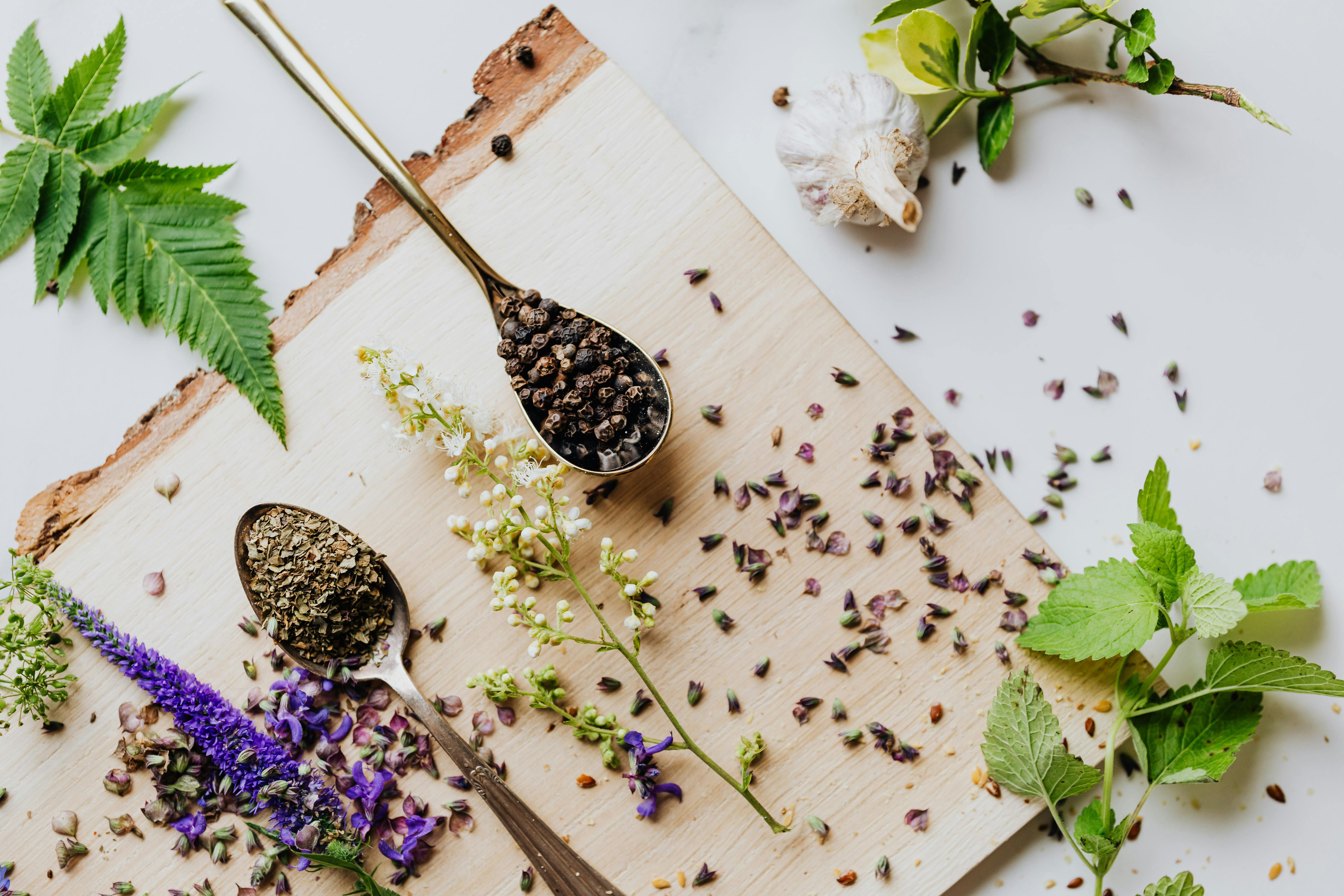
Classical prescriptions rarely stop at naming a preparation. They also specify the anupana, the liquid or substance it is taken with, and treat that choice as part of the prescription.
What the vehicles are
The common vehicles are warm water, milk, ghee, honey, buttermilk, rice water and various herbal decoctions, each carrying its own set of properties in the classical scheme.
Warm water is the default for most powders, milk is specified for preparations intended to build tissue, and honey for those intended to reduce or to scrape.
The same powder given with different vehicles is understood to act differently, which means the vehicle is not a convenience but part of the intended effect.
The reasoning behind the choice
The vehicle is selected on the same quality logic that governs everything else: a cooling vehicle for a heating preparation, an unctuous one where dryness is a concern.
It is also credited with carrying the preparation to a particular tissue or region, which is the targeting claim the tradition makes for several substances including ghee.
A third function is palatability, since many preparations are intensely bitter and a vehicle that makes them swallowable improves whether a person takes them at all.
Where pharmacology partly agrees
Food and drink genuinely affect drug absorption. Fat increases the uptake of lipophilic compounds, and this is why some conventional medicines are labelled to be taken with food.
Milk and dairy bind certain compounds, notably some antibiotics, reducing their absorption, so the principle that a vehicle changes availability is not controversial.
What is not established is the more specific traditional claim that a vehicle directs a substance toward one tissue rather than another.
Why this complicates research and commerce
A trial that administers a herb in a capsule with water has departed from the traditional prescription if the classical instruction specified ghee or milk.
That may or may not matter pharmacologically, but it means positive traditional experience and negative trial results are not necessarily in contradiction.
Commercial products almost never specify a vehicle, which quietly discards a component the tradition considers essential to the prescription.
The practical points for a reader
Where a practitioner specifies a vehicle, changing it without asking is changing the prescription, even if it seems like a detail about how to swallow something.
Anyone taking prescribed medication should be aware that vehicles matter in the other direction too, since milk, grapefruit juice and fatty meals affect several drug classes.
Spacing traditional preparations and prescribed medicines apart in time is a reasonable default, and the right interval is a question for a pharmacist.
Also by Dr. Anjali Deshmukh
- Using both: how to combine Ayurveda with conventional careDosha & Constitution
- Children: traditional practices and what to be careful aboutDaily Routine
- Choosing a practitioner: what to look for and what to askEvidence Watch
- Mind in the classical framework, and mental health care nowDosha & Constitution